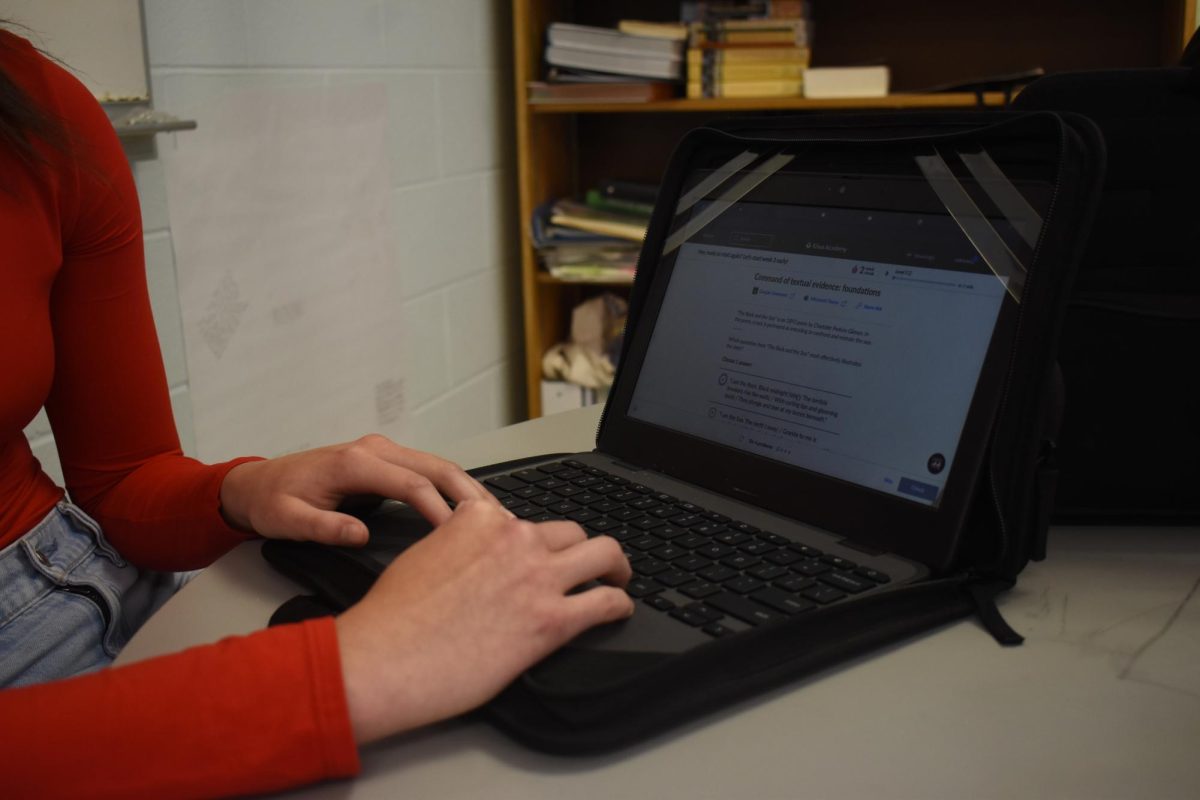
With the rise in complexity and availability of AI chatbots over the past decade, many believe that AI sources, such as ChatGPT and Claude, should be banned in educational environments. Nearly 70% of students reportedly use AI regularly, leading many teachers to debate whether AI chatbots should be banned in schools.
Despite AI being an easy tool for students to cheat and avoid critical thinking, I believe it can still be used productively and educationally; it is just a matter of how it is used. If used properly, AI tools can aid in brainstorming ideas, creating personal study guides, and providing writing feedback rather than a complete rewrite. Similar to calculators and spell-checkers, AI can be a powerful learning tool when integrated properly.
Rather than eliminating AI, schools should focus on teaching students how to use it properly. Schools already teach about digital responsibility in social media and internet research, so why should AI be any different? Students will inevitably join the 20 to 40 percent of adult workers who frequently use AI at work. Banning AI chatbots outright would undermine the potentially productive methods for which they could be used.
As technology continues to change, understanding how to collaborate with AI tools will become as important as traditional research or writing skills. Teaching these skills in the classroom ensures students learn accountability, helping them become informed users. In this way, embracing AI as a supervised, educational tool can better equip students for academic, professional, and real-world challenges.