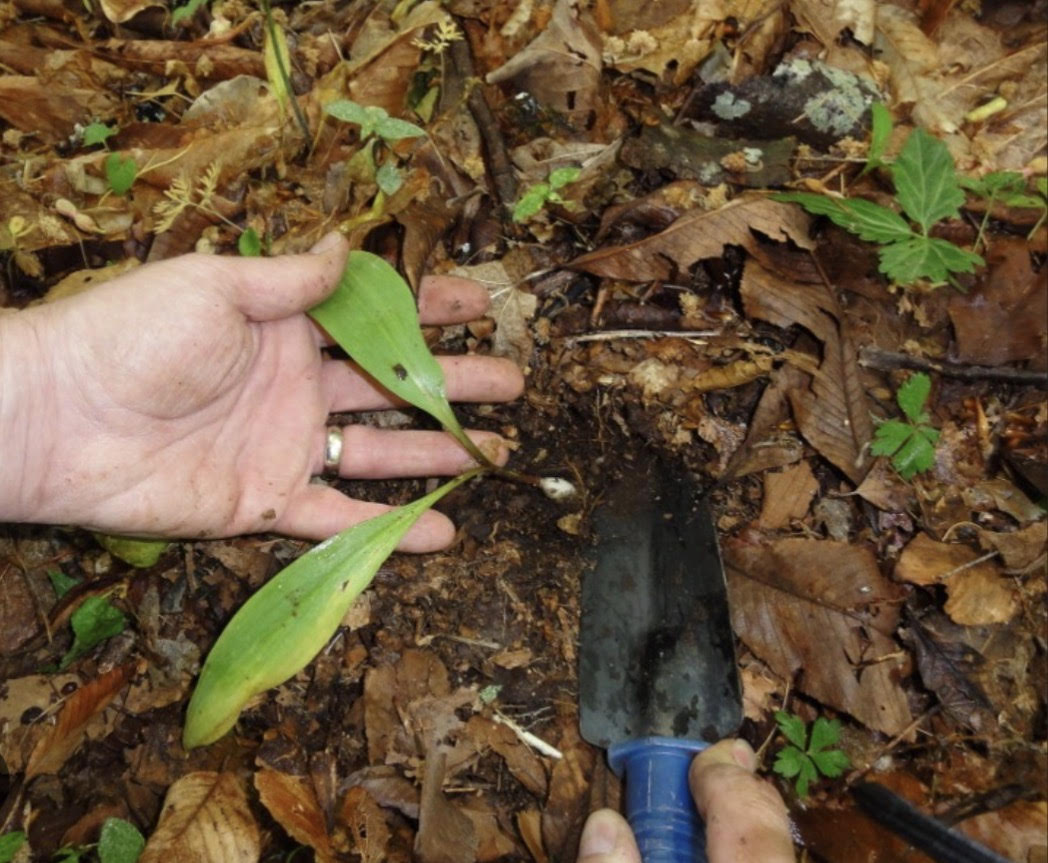
In West Virginia, spring has truly arrived when the air starts to smell strongly of onions and garlic. This pungent aroma isn’t just someone cooking dinner; it’s the signature scent of ramp season. Along with ramps, spring also marks the beginning of gardening season across the state.
As the weather warms, many West Virginians begin preparing their gardens by turning soil, planting seeds, and planning out crops like tomatoes, beans, and lettuce. Gardening is more than just a hobby; it’s a tradition that has been passed down through generations, teaching patience, responsibility, and an appreciation for the land.
The renewed interest in ramp festivals post-COVID shows a growing demand for authenticity and community. It’s a time for neighbors to connect, for families to share traditions, and for people to celebrate the unique culture of Appalachia. “I used to garden with my grandparents when I was younger, and if I had the time and space, I’d like to try growing flowers as well as a garden.” Said Haley Morgan. In many ways, gardening and ramp foraging go hand in hand, both rooted in a deep respect for nature and seasonal living.
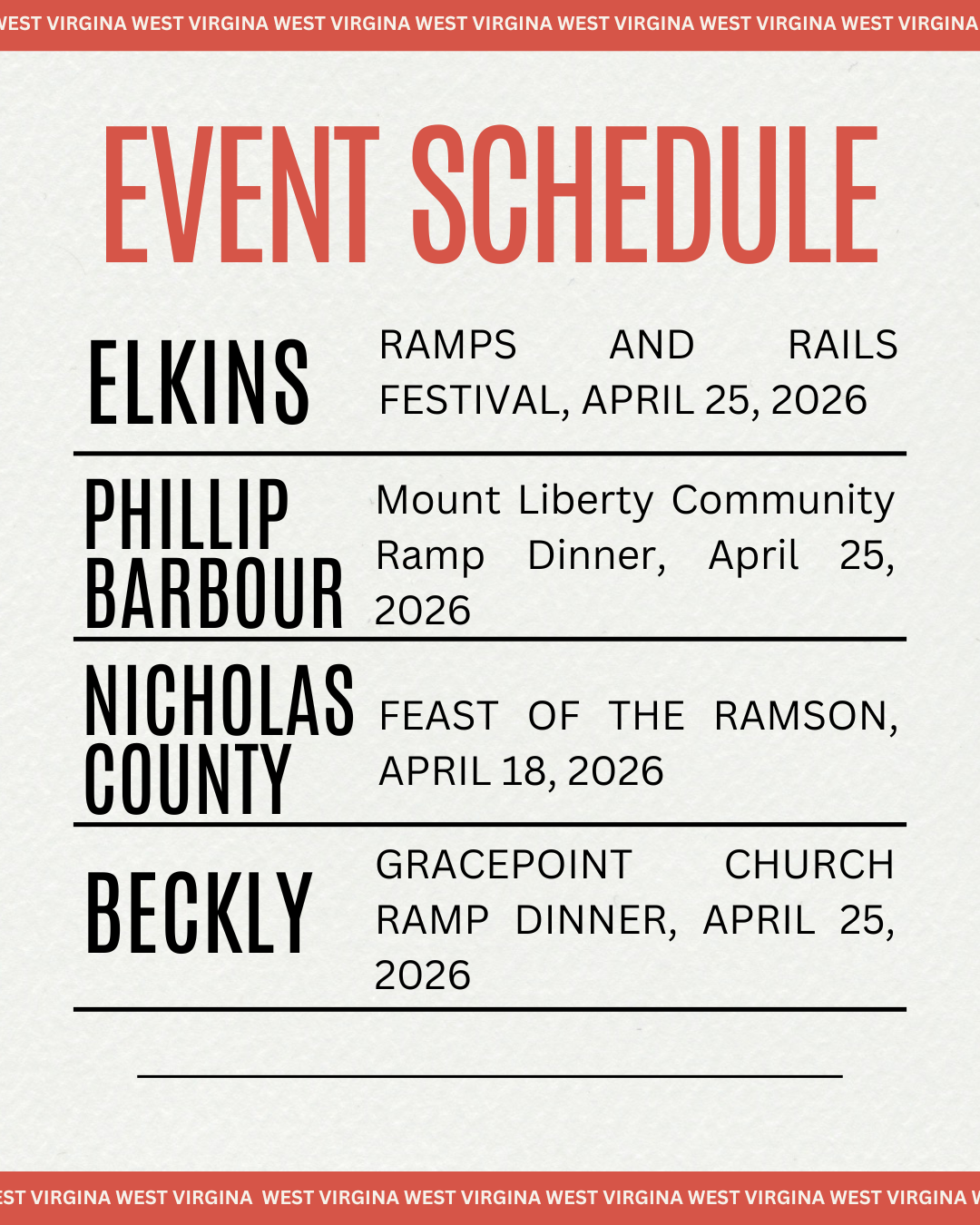
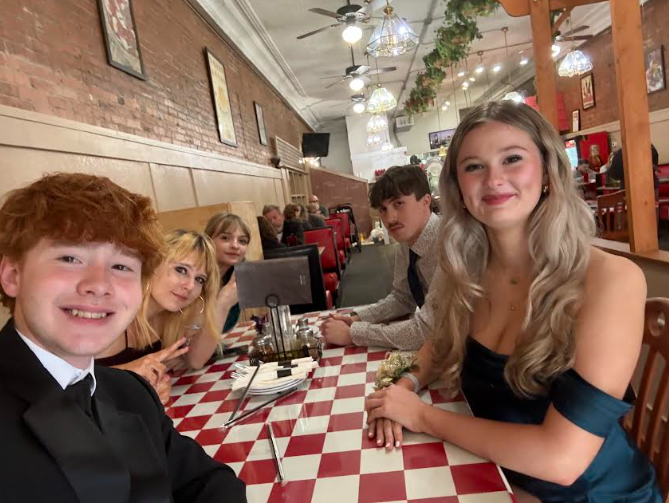
For young people, attending a ramp dinner or learning to forage is a way to stay connected to the generations who cultivated the land before them. These experiences help preserve traditions while also encouraging healthier, more sustainable lifestyles.
“Helping my family dig ramps and going to the ramp festival with them made me feel closer to our culture and my family when I was younger, which is why I do it with my kids now,” said Ashley Sumrall.
Whether you’re planting your first garden or heading out to a ramp festival, spring in West Virginia is a time of renewal. It’s a celebration of nature, heritage, and the rewarding work that brings communities together, whether in the garden or around the table.