Prom night has long stood as a milestone in American high schools, but the way students celebrate it has shifted since the early 2000s. What was once a very rigid, formal affair has gradually transformed into a more personalized and expressive event, reflecting changes in trends and fashion among teenagers.
In the early 2000s, prom followed a more traditional script. Formality was necess

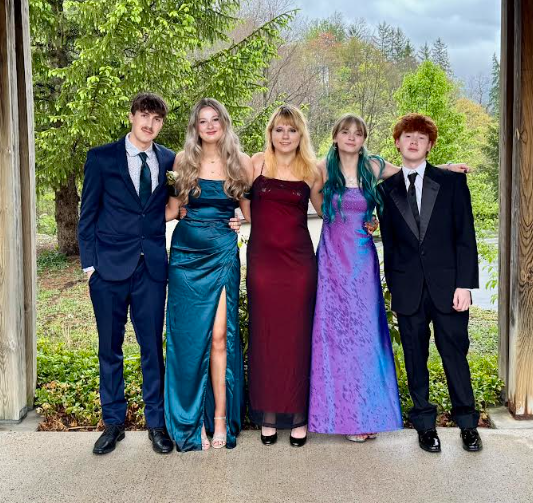
ary, especially in attire. Many girls wore long gowns paired with carefully styled, pinned-up hair, often elaborate and uniform in appearance. The overall look leaned toward a polished, pageant-like aesthetic. Boys typically stuck to classic tuxedos with little variation, reinforcing the sense that prom came with a clear set of expectations about how to look and behave.
Music and entertainment at prom also reflected tighter boundaries. DJs played it safe with widely accepted dance tracks. Songs like “Gangster’s Paradise” might make the queue, but genres like rap were often excluded altogether in favor of mainstream, school-approved music. The result was a dance floor experience that felt very controlled.
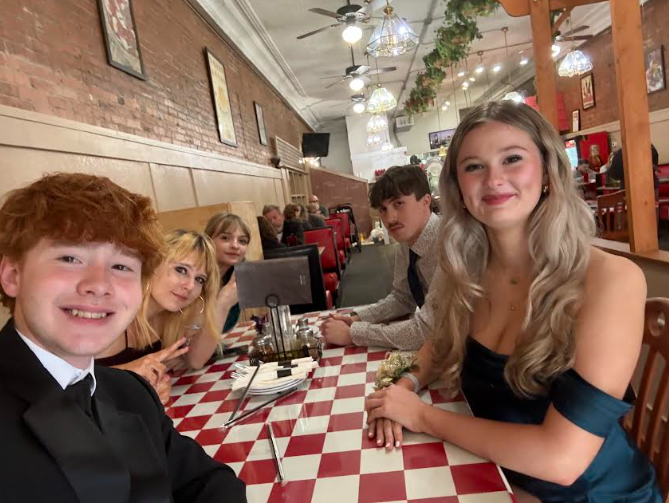
Fast forward to today, and prom has loosened considerably in both style and spirit. While formalwear hasn’t disappeared, it no longer defines the experience in the same way. Students are more willing to break from tradition: dresses come in a wider variety of cuts and lengths, hairstyles are more relaxed, and individuality is more visible. For many, comfort and self-expression now take priority over adhering to a specific “prom look.”
Perhaps the most striking change is in how boys approach prom fashion. Instead of standard black tuxedos, many now experiment with bold colors, patterns, and even themed outfits. It’s not uncommon to see suits inspired by favorite characters, pop culture, or personal interests. This shift signals a broader cultural acceptance of creativity and personality, even in traditionally formal settings.
“I think prom has changed for the better,” said Amy Thomas, who attended prom in 1998. “Teenagers are freer to express themselves through their clothes and hair. Girls wear shorter dresses and experiment with their hair, and boys wear tuxedos with goofy designs or whacky colors.”
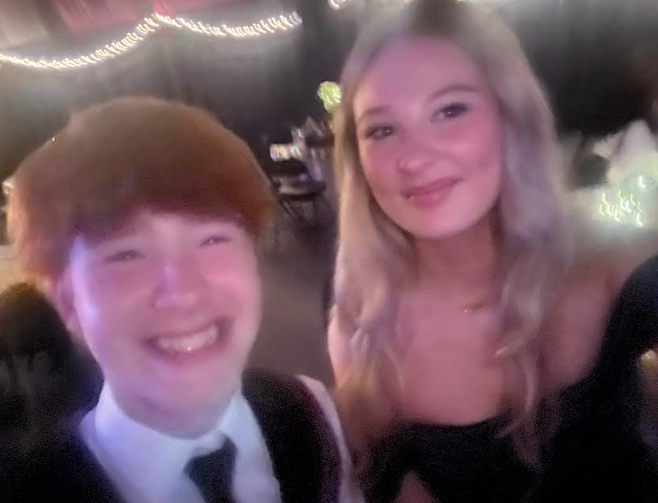
Music has evolved alongside these changes. Modern proms typically feature a wider range of genres, including hip-hop and rap, reflecting what students actually listen to outside of school events. DJs are more likely to adapt to students’ preferences than to enforce strict guidelines, making the dance feel more authentic and engaging.
“Prom allows me to dress nicely while, at the same time, not necessarily having to conform to the standard of formal dresswear,” said Ava Hymes, who attended the 2026 prom at Elkins High.
Overall, prom today is less about fitting into a predetermined mold and more about celebrating individuality. The event still holds its symbolic importance, but its meaning has expanded. Instead of conforming to a single vision of elegance, students are redefining prom on their own terms, making it a more inclusive and enjoyable experience for a wider range of people.